


See daily life more clearly after cataract surgery
Many patients feel relief when the haze lifts and simple parts of life become easier again
Find relief from cloudy, dull, or faded vision
Before cataract surgery, vision can feel misty, dim, or blurred. Colours may look faded. Reading, driving, watching TV, and recognising faces can take more effort. After surgery, the cloudy lens is replaced with a clear artificial lens. Many people notice brighter, sharper vision. Everyday tasks can feel easier and safer. Instead of working around poor sight, you can move through your day with more comfort and confidence.

Føl dig mere tryg når synet bliver klart igen
Cataracts can make you feel unsure, cautious, and less independent. It can be upsetting when your eyes stop you from doing things you once did with ease. After cataract surgery, many people feel a deep sense of relief. They can see more clearly and feel more in control. The worry of declining vision can ease, and daily life can feel more familiar, safe, and enjoyable again.
Enjoy a brighter, easier day from morning to night
Imagine waking up and seeing your room more clearly. You read the clock, make breakfast, and move around your home with more confidence. Outside, colours look brighter. Faces are easier to recognise. Reading, shopping, cooking, and watching TV feel less tiring. If you drive, clearer vision may help you feel more secure on the road. A good day feels simple again because your sight no longer holds you back as much.
Be seen as more confident and independent again
Before cataract surgery, others may notice you hesitating, asking for help, avoiding night driving, or struggling to read small print. You may feel less like yourself. After treatment, you may seem more relaxed and sure of yourself. You can join conversations, read, move around, and enjoy daily life with more ease. Others may see someone who looks brighter, calmer, and more independent again.
See daily life more clearly after cataract surgery
Many patients feel relief when the haze lifts and simple parts of life become easier again
Enjoy a brighter, easier day from morning to night
Cataracts can make you feel unsure, cautious, and less independent. It can be upsetting when your eyes stop you from doing things you once did with ease. After cataract surgery, many people feel a deep sense of relief. They can see more clearly and feel more in control. The worry of declining vision can ease, and daily life can feel more familiar, safe, and enjoyable again.
Enjoy a brighter, easier day from morning to night
Imagine waking up and seeing your room more clearly. You read the clock, make breakfast, and move around your home with more confidence. Outside, colours look brighter. Faces are easier to recognise. Reading, shopping, cooking, and watching TV feel less tiring. If you drive, clearer vision may help you feel more secure on the road. A good day feels simple again because your sight no longer holds you back as much.
Treat your cataracts and see clearly again in 3 simple steps
Cataract treatment can feel like a big decision. We make the journey clear, calm, and easy to understand

Step 1: GET IN TOUCH
The first step is to find out what is happening with your vision. Contact our friendly team in Copenhagen to book an assessment. We will listen to your concerns and help you understand whether cataracts are causing your symptoms. We can also explain the lens options that may suit your eyes and lifestyle.
STEP 2: WE ASSESS YOUR EYES
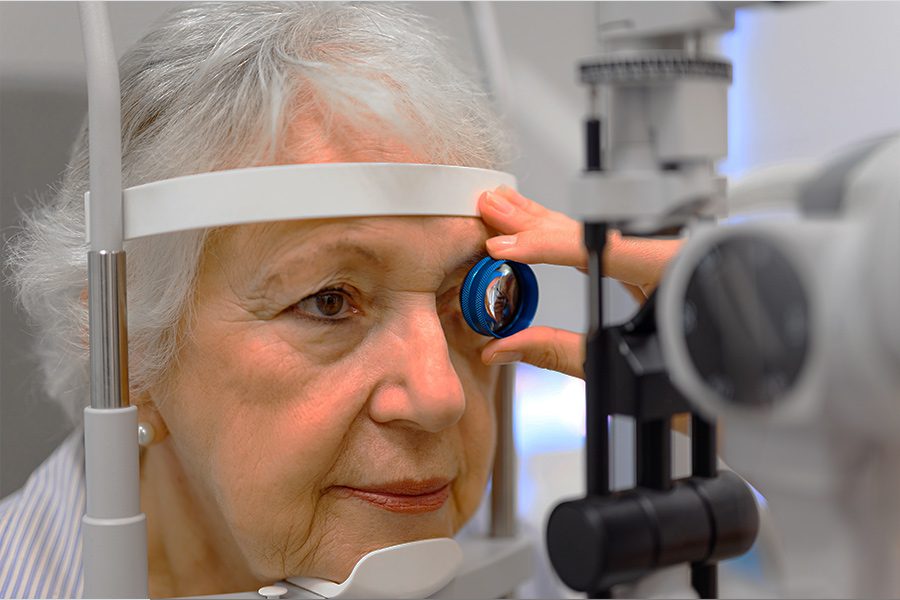
At your assessment, we check your eye health, cataracts, prescription, and vision needs. We also talk about your daily life, including reading, driving, hobbies, and screen use. You will receive a clear recommendation based on your eyes. You will also learn whether a standard lens or a premium lens option may suit you best.

Step 3: REGAIN CLEARER VISION
During cataract surgery, the cloudy lens is removed and replaced with a clear artificial lens. After treatment, many people notice brighter colours, sharper detail, and easier daily vision. Some lens options may also reduce the need for glasses. The aim is to help you return to daily life with more clarity, safety, and confidence.

With cataract surgery, cloudy vision can become clearer again
Quickly learn who is suitable, how the treatment works, the lens options available, and what results you may expect
Does life with cataracts feel harder than it used to?
If your vision is cloudy, dull, or less reliable, you can book an assessment and find out what can be done

Are you over 60 and noticing cloudy vision?
Cataracts often develop slowly. At first, you may just need more light to read. Then driving, watching TV, or seeing faces may become harder. Your glasses may no longer feel strong enough. If this sounds familiar, an eye assessment can show whether cataracts are affecting your vision and whether surgery could help restore clearer sight.

Have you been told you have cataracts?
A cataract diagnosis can feel worrying. You may wonder how quickly your vision will change, when to act, and what surgery involves. The good news is that cataract surgery is the only way to remove cataracts, and it is a well-established treatment. An assessment gives you clear answers, so you can make a calm and informed decision.

Do cataracts make glasses feel like a constant compromise?
When cataracts progress, glasses may not solve the problem. You may still struggle with glare, blur, poor contrast, or dull vision. You may need different glasses for different tasks, yet still feel limited. Cataract surgery removes the cloudy lens. With the right lens option, you may also reduce your need for glasses for certain daily tasks.
See how others reduced their dependence on glasses after cataract and lens treatment
Real patient stories can help you picture what life may feel like when cataracts are treated and glasses become less central to your day

Get your questions answered about lens replacement in Copenhagen
Read clear, helpful guides about ageing eyes, reading glasses, treatment options, and what to expect before you decide
Affiliations and Memberships
We are proud to be a member of these professional organisations





Hi, I’m Hadi Kjærbo
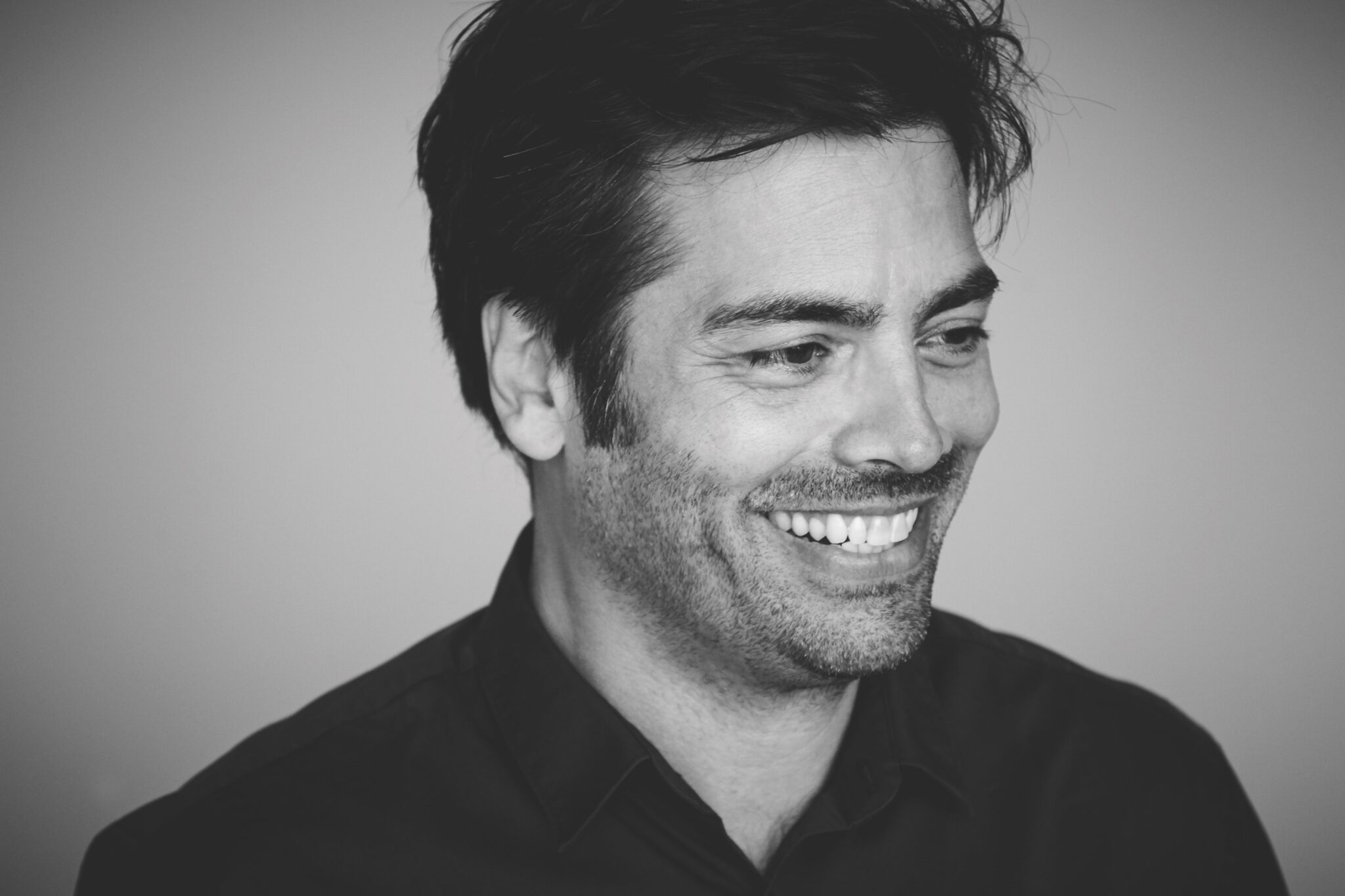
I am the founder and owner of Scandinavian Eye Center. I am a trained ophthalmologist with extensive experience in cataract surgery and vision correction. I have led a regional cataract team, worked internationally in the United States, and performed more than 50,000 eye operations. My focus is always on understanding each patient’s eyes, needs and goals before recommending treatment. Eye surgery is a personal decision, so I believe you deserve clear advice, careful planning and support throughout your journey. My aim is to help you feel informed, comfortable and well cared for at every stage.
Hadi Kjærbo
