

Say goodbye to glasses and contact lenses with ICL surgery in Copenhagen

Discover how an implantable lens can correct your vision without laser reshaping, making it an option for some people who are not suitable for laser eye surgery

Say goodbye to glasses and contact lenses with ICL surgery in Copenhagen

Discover how an implantable lens can correct your vision without laser reshaping, making it an option for some people who are not suitable for laser eye surgery

With ICL surgery, many people can enjoy clearer vision when laser eye surgery is not the right fit

Learn how implantable contact lenses work, who they may suit, and what to expect before, during and after treatment

ICL-operation kan være en mulighed, hvis du lider af nærsynethed, langsynethed, astigmatisme eller har en høj brillestyrke, der ikke egner sig til laseroperation. Det kan også være en mulighed, hvis dine hornhinder er for tynde til laserbehandling. Egnetheden afhænger af din alder, øjensundhed, brillestyrke, øjentryk og pladsen inde i øjet, hvor linsen skal placeres. Du skal gennemgå en grundig øjenundersøgelse, før der gives en anbefaling. Din kirurg hjælper med at vurdere sikkerheden, forstå dine mål og forklare om ICL-operation kan være det rigtige for dig.

ICL stands for implantable collamer lens. It is a soft, clear lens placed inside the eye to help focus light more clearly. Unlike laser eye surgery, ICL does not reshape the cornea. The natural lens of the eye stays in place. The implantable lens is placed behind the coloured part of the eye and in front of the natural lens. You cannot usually see it or feel it once it is in position. The aim is to reduce your need for glasses or contact lenses. The treatment is planned using detailed measurements of your eyes before surgery.

Den største fordel ved ICL operation er, at behandlingen kan hjælpe nogle mennesker, som ikke er egnede til laserbehandling. Den kan være relevant ved højere styrker eller tyndere hornhinder. Den fjerner ikke væv fra hornhinden, og linsen kan som regel fjernes eller udskiftes, hvis det bliver nødvendigt. Mange ønsker behandlingen for at mindske deres daglige behov for briller eller kontaktlinser. Men ICL-operation er stadig øjenkirurgi. Det kræver heling, kontroller og har mulige risici. Det er ikke egnet for alle. Nogle kan stadig få brug for briller til bestemte opgaver.

All surgery has risks. With ICL surgery, possible risks include infection, inflammation, raised eye pressure, glare, halos, dry eyes or changes in vision quality. In some cases, the lens may need to be adjusted, removed or replaced. There is also a small risk of cataract formation over time, especially if the implant sits too close to the natural lens. Serious complications are uncommon, but they can happen. A detailed assessment helps reduce risk by checking the size, shape and health of your eyes. Your surgeon will explain your personal risks before you decide whether to go ahead.

ICL surgery may be one option if laser eye surgery is not suitable. Other options may include LASIK or SMILE. Lens replacement may be more suitable for people with age-related vision changes or early cataract. Dry eye treatment may also be needed before any vision correction if the surface of the eye is irritated or unstable. Your assessment will help identify the safest and most suitable route.

The first step is a detailed consultation. This includes eye measurements, prescription checks, eye pressure checks and scans to assess the space inside your eye. If ICL surgery is suitable, your surgeon will explain the treatment plan and answer your questions. On the day of surgery, numbing drops are used to keep the eye comfortable. A small opening is made, and the implantable lens is placed inside the eye. The procedure is usually quick. After surgery, you will use eye drops and attend follow-up visits. These checks help your team monitor healing and make sure the lens is sitting well.

Results vary from person to person. Many suitable patients notice clearer vision soon after ICL surgery and rely less on glasses or contact lenses. Vision may continue to settle as the eye heals. The aim is to improve distance vision, but some people may still need glasses for reading or detailed close work, especially after the age of 40. Your result depends on your prescription, eye health and healing response. Follow-up visits are important to check the position of the lens and the health of the eye. Your surgeon will explain what is realistic for your eyes before treatment.

Find out which vision correction option could be right for you

Book an assessment to understand your eyes and explore options that may help reduce your need for glasses or contact lenses

Clearer vision in 3 simple steps

Vision correction can feel confusing. We make the process simple, so you know what to expect from your first assessment through to life after treatment.

Step 1: GET IN TOUCH

Start by speaking with our team or taking our online self-test. We will help you understand whether vision correction may be suitable and arrange an assessment if appropriate.
Step 2: WE’LL ASSESS YOUR EYES

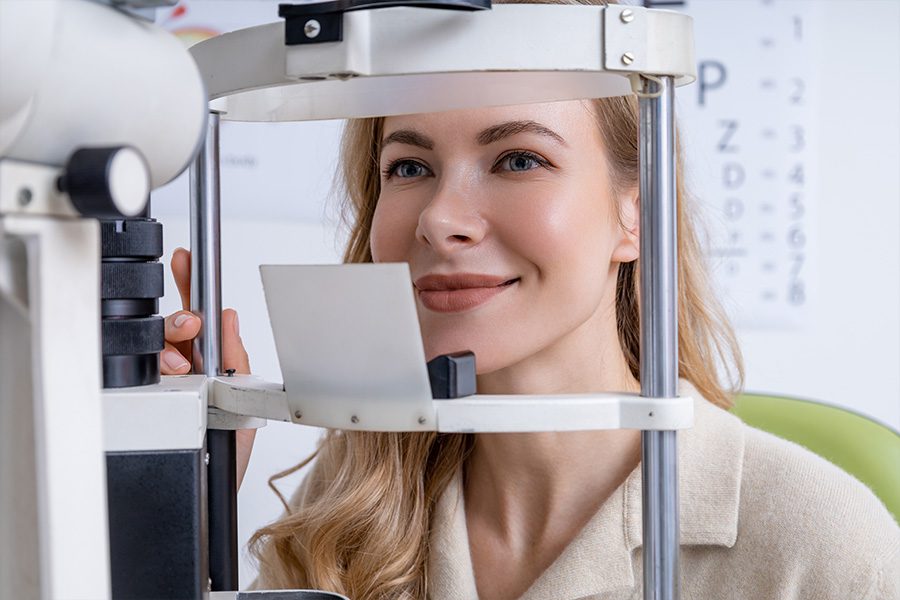
At your assessment, we will examine your eyes, talk about your lifestyle and answer your questions. Your surgeon will explain which treatment options may suit you, whether that is laser eye surgery, ICL surgery or another approach.

Step 3: ENJOY CLEARER VISION

After treatment, many people enjoy less dependence on glasses or contact lenses. Simple things like travelling, exercising, working and waking up in the morning can feel easier without always reaching for your glasses.

See how others reduced their dependence on glasses after cataract and lens treatment

Real patient stories can help you picture what life may feel like when cataracts are treated and glasses become less central to your day

Could clearer vision without glasses be right for you?

Your age, eyes and lifestyle all matter. Take our free 2-minute self-test to see which vision correction options may suit you.

Get your questions answered about lens replacement in Copenhagen

Read clear, helpful guides about ageing eyes, reading glasses, treatment options, and what to expect before you decide

Tilknytninger og medlemskaber

Vi er stolte af at være medlem af disse faglige organisationer

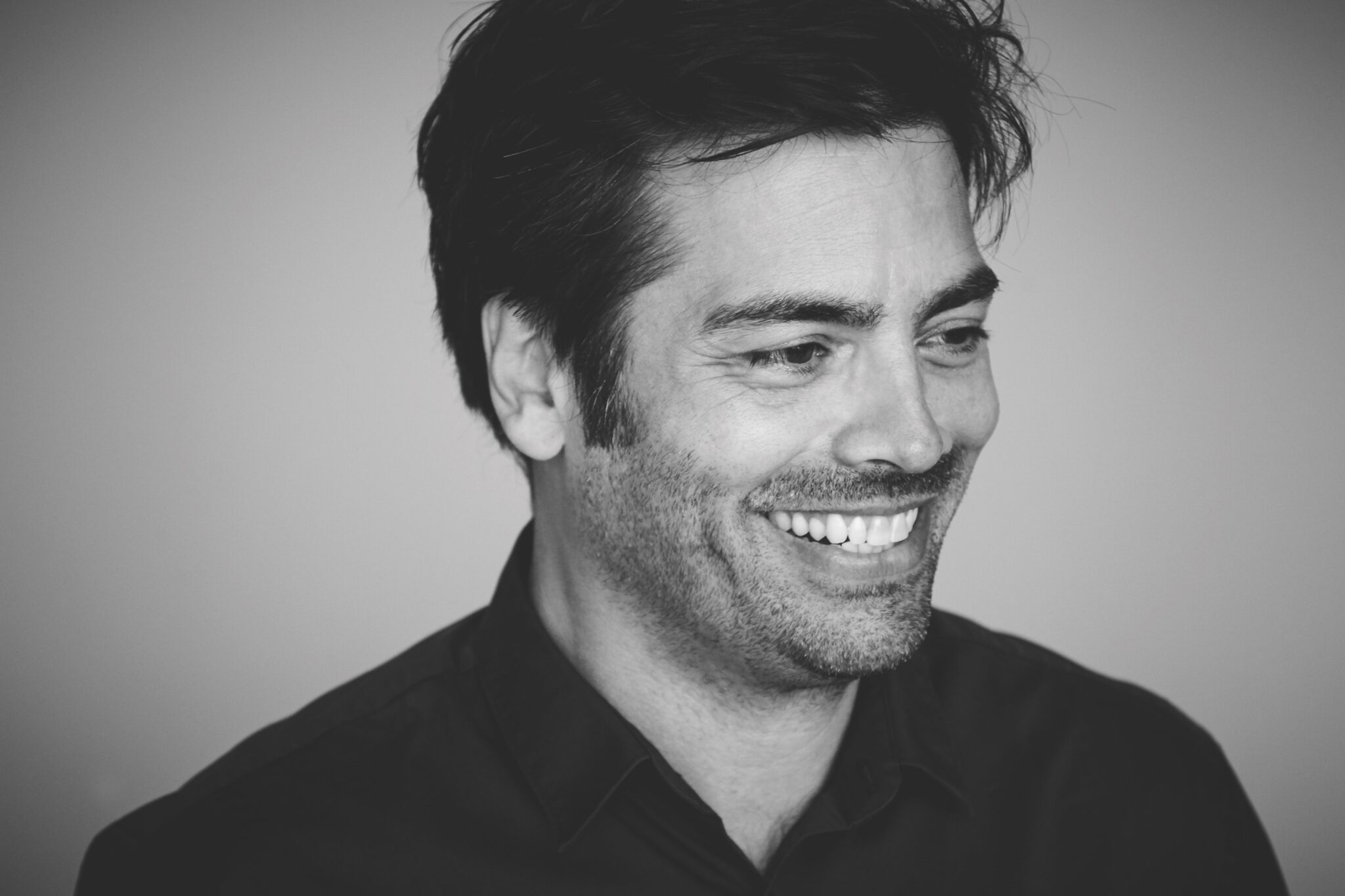
Hi, I’m Hadi Kjærbo

I am the founder and owner of Scandinavian Eye Center. I am a trained ophthalmologist with extensive experience in cataract surgery and vision correction. I have led a regional cataract team, worked internationally in the United States, and performed more than 50,000 eye operations. My focus is always on understanding each patient’s eyes, needs and goals before recommending treatment. Eye surgery is a personal decision, so I believe you deserve clear advice, careful planning and support throughout your journey. My aim is to help you feel informed, comfortable and well cared for at every stage.

Hadi Kjærbo